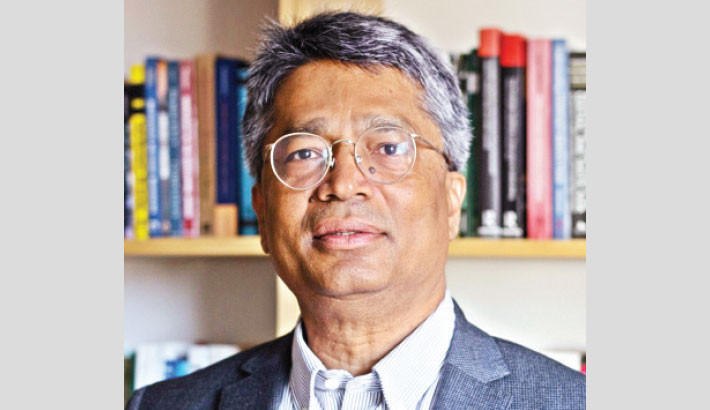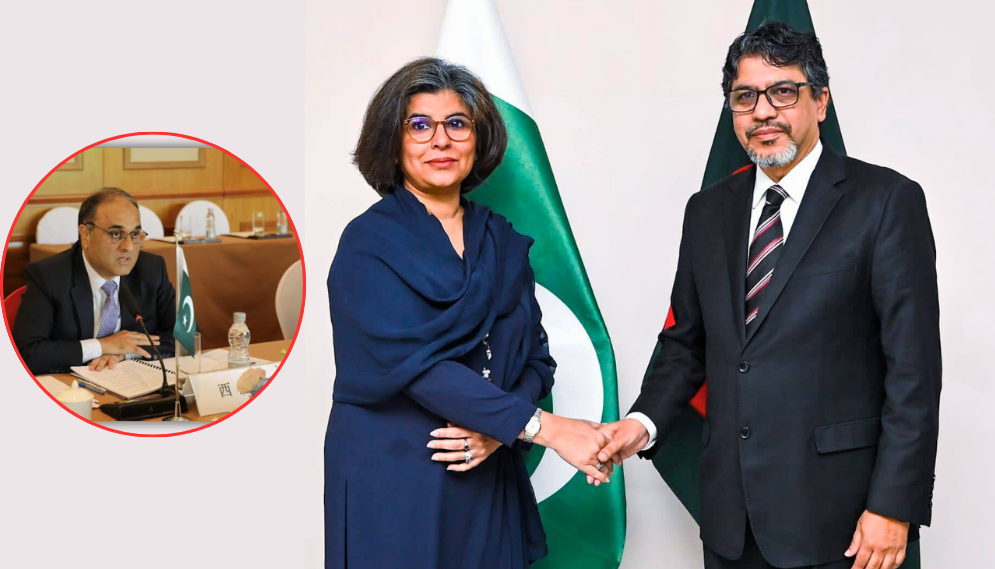
After the fall of the Sheikh Hasina government on 5 August in the face of a mass uprising led by students, a crack has developed in the Bangladesh-India relations. Losing an “Old Ally” in Dhaka, Indian media started spreading rumours regarding violence against minorities in Bangladesh. Even before Sheikh Hasina’s ouster, an anti-Indian sentiment was growing in Bangladesh due to India’s unwavering support for the very ‘unpopular’ Awami League, a party that has long been accused of arranging three controversial national elections, violating human rights and gaging opposition voices in a brutal way, often by extrajudicial killings and enforced disappearances. Taking advantage of the situation, China and Pakistan are trying to enhance their cooperation, especially on the economic front, with Bangladesh. Against this backdrop and ahead of Chief Advisor Dr Yunus’ visit to China, Professor Ashok Swain, Head of the Department of Peace and Conflict Studies at Uppsala University in Sweden and UNESCO Chair on International Water Cooperation, tweeted, “Indian Prime Minister Narendra Modi has lost to Pakistan and China on the Bangladesh issue…” We wanted to reach him, and he spoke candidly not only about Bangladesh-India relations but also about regional politics
with Abdul Majid Chowdhury, a Dhaka-based journalist